


The low fade is one of the most requested men’s haircuts today because it looks clean, modern, and easy to manage. Barbers recommend this style for students, office workers, and athletes because it blends well with almost any lifestyle. The fade starts low near the ears and neckline, then slowly moves into longer hair on top. This soft transition makes the haircut subtle instead of dramatic, which is why many people choose it for everyday wear.
You May Like: dyson airwrap
What Is a Low Fade?
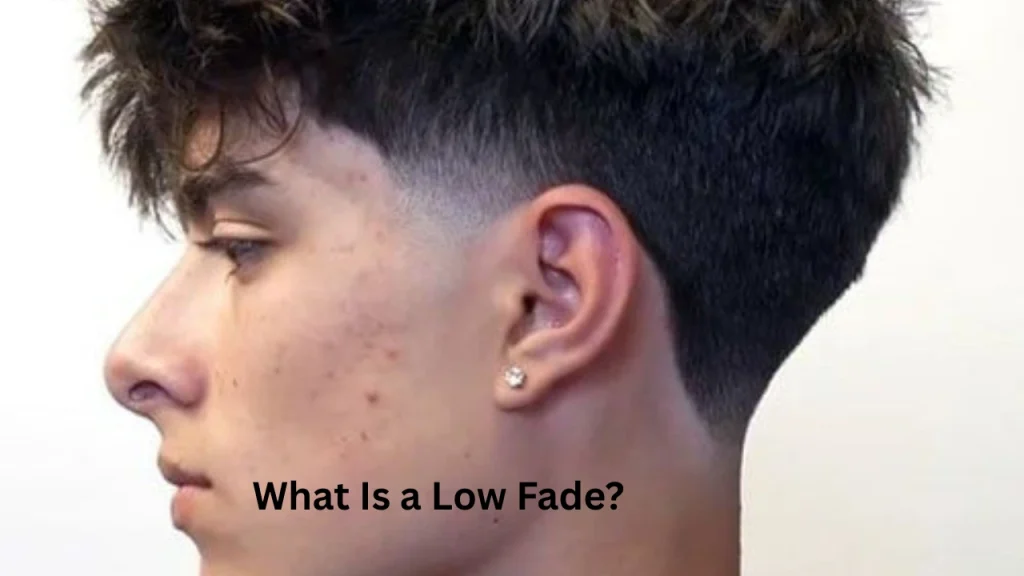
A low fade is a haircut where the sides and back taper gradually starting just above the ears. The hair at the bottom becomes very short or skin-level, while the length slowly increases as it moves upward. The top section stays longer and can be styled in many ways, such as textured, slicked back, curly, or parted.
This haircut keeps the outline neat without removing too much hair from the sides. That makes it perfect for people who want a polished look that still feels natural.
Why the Low Fade Is So Popular
Men like the low fade because it fits both casual and formal settings. It looks sharp at work and relaxed on weekends. The gradual blend also helps the haircut grow out smoothly, so it stays presentable even after a few weeks.
Another reason for its popularity is flexibility. You can pair a low fade with short hair, medium length, or long hair on top. It works with straight, wavy, curly, or coiled textures, which makes it suitable for almost everyone.
How a Low Fade Differs From Other Fades
Fades are mainly classified by where the taper begins. That starting point changes the entire feel of the haircut.
A low fade begins near the ears and neckline, keeping the look subtle and balanced. A mid fade starts around the temples and looks sharper. A high fade begins much higher on the head and creates bold contrast between the top and sides.
People who want a clean style without drawing too much attention often choose the low fade over higher options.
Common Types of Low Fade Haircuts
There are several versions of the low fade, each offering a slightly different finish.
A low taper fade focuses mainly on the edges and neckline while keeping more length on the sides. This option looks natural and professional.
A low skin fade blends all the way down to bare skin at the bottom. It creates a crisp and fresh appearance that works well in warm weather.
A low drop fade curves downward behind the ears and follows the head’s shape. This version adds depth from the sides to the back.
A low burst fade forms a circular fade around the ear area while keeping the back fuller. It pairs well with creative styles on top.
Low Fade With Different Hairstyles on Top
The top section defines how bold or relaxed the haircut looks. With a short crop, the style stays simple and easy to maintain. This option suits busy routines and hot climates.
A textured top adds volume and movement. Barbers usually cut layers into the hair and apply light styling cream for a natural finish.
Quiffs and pompadours bring height to the front while the fade keeps the sides tidy. This combination works well for special occasions or social events.
Curly hair looks especially good with a low fade because the sides stay controlled while the curls take center stage. The same idea applies to afro or coiled textures, where the fade sharpens the outline and keeps the overall shape clean.
Face Shapes That Suit a Low Fade
The low fade works on almost all face shapes, but small adjustments make it even better.
For round faces, adding height on top helps create a longer look. Square faces benefit from sharper edges that highlight strong jawlines. Oval faces can wear nearly any version of the low fade without issue. Long faces look best when the top is balanced and not overly tall.
A skilled barber will always adapt the fade to match your head shape and features.
Hair Types and the Low Fade
Hair texture changes how the haircut appears, but the low fade itself stays consistent.
Straight hair gives a sleek finish that suits side parts or smooth styles. Wavy hair adds flow and softness, especially with medium-length tops. Curly hair creates strong contrast and visual interest when paired with short sides.
Thick hair handles volume easily but may need thinning or texturizing to reduce bulk. Thin hair looks fuller when the fade is kept soft and the top has light layers.
What to Tell Your Barber
Clear communication makes a big difference. You can explain that you want the fade to start low near the ears and neckline, then slowly blend upward. Mention how long you want the top to stay and whether you prefer skin at the bottom or a softer taper.
You can also ask for a natural neckline or a sharp outline, depending on your style. Bringing a reference photo often helps avoid misunderstandings.
How Often to Refresh a Low Fade
Because fades are short at the bottom, new growth shows quickly. Most people visit the barber every two to three weeks to keep the blend sharp. Skin fades may need touch-ups sooner, sometimes after ten to fourteen days.
If you wait longer, the fade softens and becomes less defined, though some people enjoy that relaxed look.
Daily Styling Tips
Styling depends mainly on the length and texture of the top. Light pomade adds shine and control, while matte clay creates a natural finish with texture. Applying product to dry hair usually gives better hold.
Blow-drying can add volume, especially for quiffs or side-part styles. Combing helps maintain clean lines, while fingers work well for messy or casual looks.
Avoid heavy gels on the sides, as they can make the fade appear greasy.
Home Maintenance Between Cuts
Simple care routines keep your haircut fresh for longer. Cleaning the neckline with a trimmer helps preserve the shape. Brushing daily keeps hair lying neatly, and washing two or three times a week prevents buildup.
Condition longer hair on top to keep it soft and healthy. Try not to scratch the faded areas too much, as that can make the skin look irritated.
Pros and Cons of the Low Fade
The low fade has many strengths. It looks subtle and stylish, suits professional environments, grows out smoothly, and works with many hairstyles.
There are also a few limits. It needs regular trims to stay sharp, it is less dramatic than high fades, and if left too long, the fade effect can disappear.
For most men, the advantages make it a reliable choice.
Low Fade for Students and Office Workers
This haircut fits school dress codes and office rules because it stays neat without appearing flashy. Side-parted tops, short crops, and natural curls all work well with a low fade in professional settings.
It allows you to look polished while still following modern trends.
Low Fade for Active Lifestyles
Athletes and gym-goers often prefer short sides because they stay cooler and dry faster. A low fade reduces bulk around the ears and neck, which improves comfort during workouts.
Many people choose this style year-round because it stays practical and stylish at the same time.
Mistakes to Avoid
Starting the fade too high changes the entire look and removes the subtle effect. Uneven lines around the ears or neckline can also reduce the haircut’s quality. Skipping regular cleanups lets the fade lose definition, while using too much product can weigh hair down.
Regular trims and light styling keep the haircut looking fresh.
Frequently Asked Questions
Does a low fade work for first-time fade users?
Yes, it is a great starting option because the blend stays subtle and natural. It does not feel too bold, so most people feel comfortable trying it.
Can I get a low fade with long hair on top?
Yes, a low fade pairs very well with long or medium hair on top. The contrast keeps the sides neat while letting you style the top freely.
How often should I trim a low fade?
Most people refresh it every two to three weeks to keep the blend sharp. Skin versions may need touch-ups a little sooner.
Is a low fade suitable for office or school settings?
Yes, it looks clean and professional, which makes it acceptable in most formal environments. That is one reason it remains so popular.
Does a low fade work with curly or thick hair?
Absolutely, it controls volume on the sides and highlights texture on top. Many people with curls or thick hair choose this style for balance and shape.
Final Thoughts on the Low Fade
The low fade remains one of the most flexible and timeless men’s haircuts available today. Its subtle start near the ears, smooth blending, and compatibility with many hairstyles make it suitable for nearly every face shape and lifestyle. With clear barber instructions, simple daily styling, and regular maintenance, this haircut can keep you looking sharp, modern, and confident all year long.


